Fit the equipment to the room
Home comfort
Comfort equipment works only when it fits the space and the building. Start with room measurements, window or vent constraints, electrical service, and the conditions that make the room difficult to heat or cool.
Before you compare
Three questions that shrink the field
How large is the room?
Measure the floor area and account for sun, ceiling height, occupancy, and heat-producing appliances.
Where can it be installed?
Window dimensions, sill shape, outlet location, drainage, and exterior clearance can eliminate a model before features matter.
What will be noticeable every day?
Noise, airflow direction, controls, filter access, and seasonal storage determine whether the equipment remains pleasant to use.
Choose a buying guide
Updated 2026-07-29
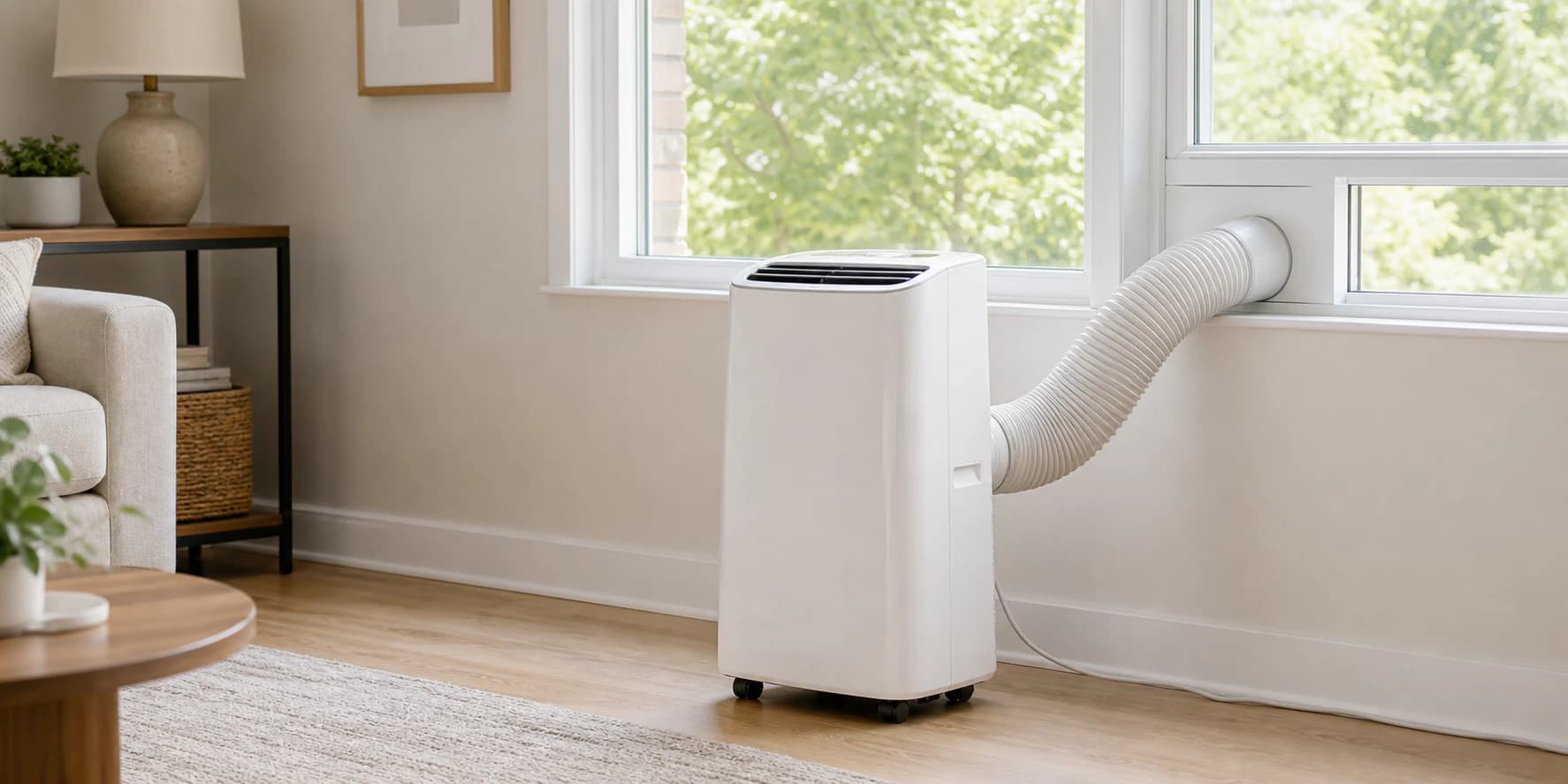
Portable air conditioners in 2026, chosen by SACC and window fit
Use a portable AC when a window unit is not workable, then compare DOE/SACC capacity, hose design, window-kit fit, drainage, and real noise instead of the largest number on the box.
Read the guide →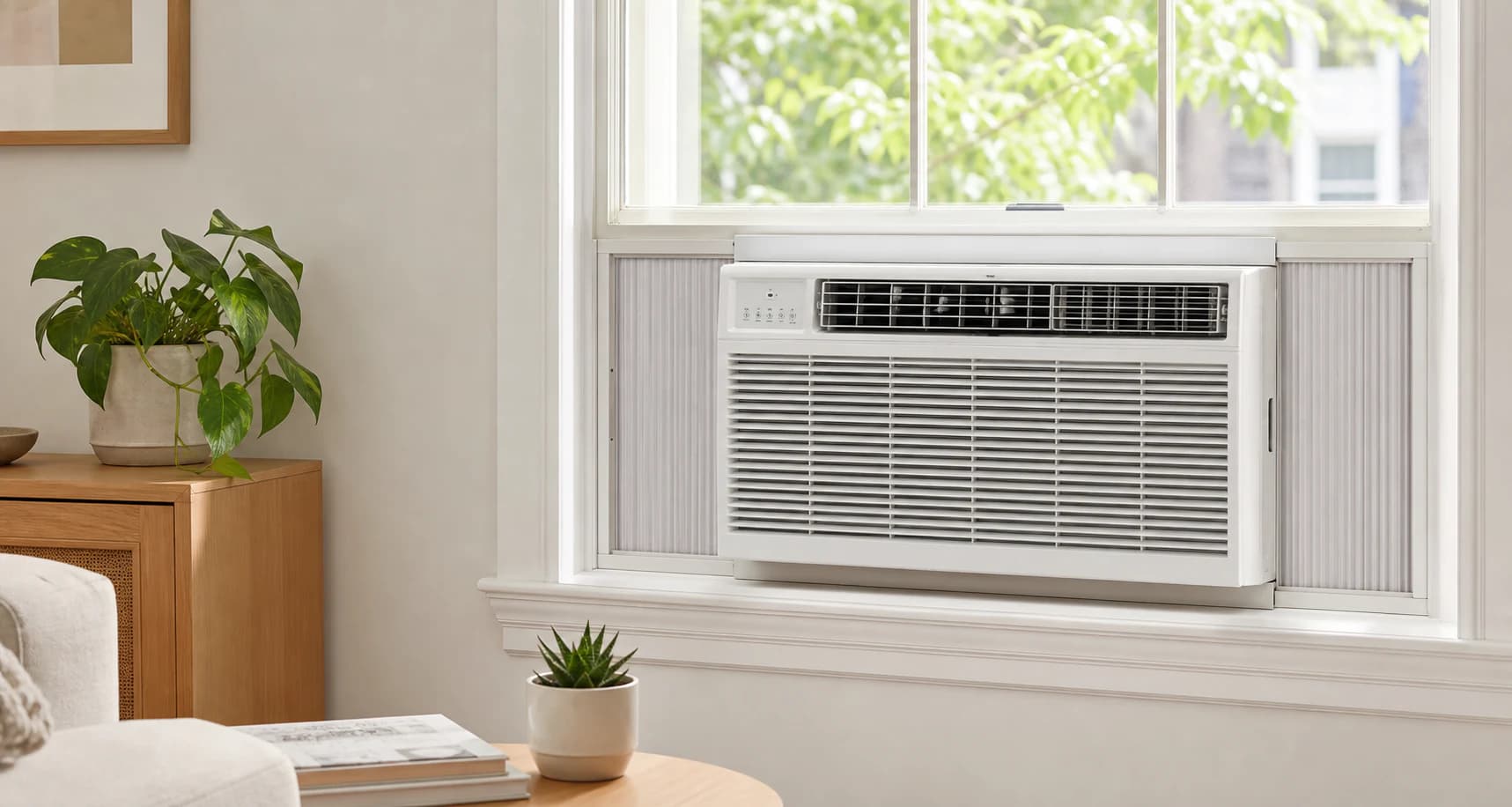
Updated 2026-07-29
Window air conditioners in 2026, chosen by room and window
Start with room size, window fit, voltage, and noise. These three inverter models cover small-to-medium rooms without pretending that the biggest BTU number is always better.
Read the guide →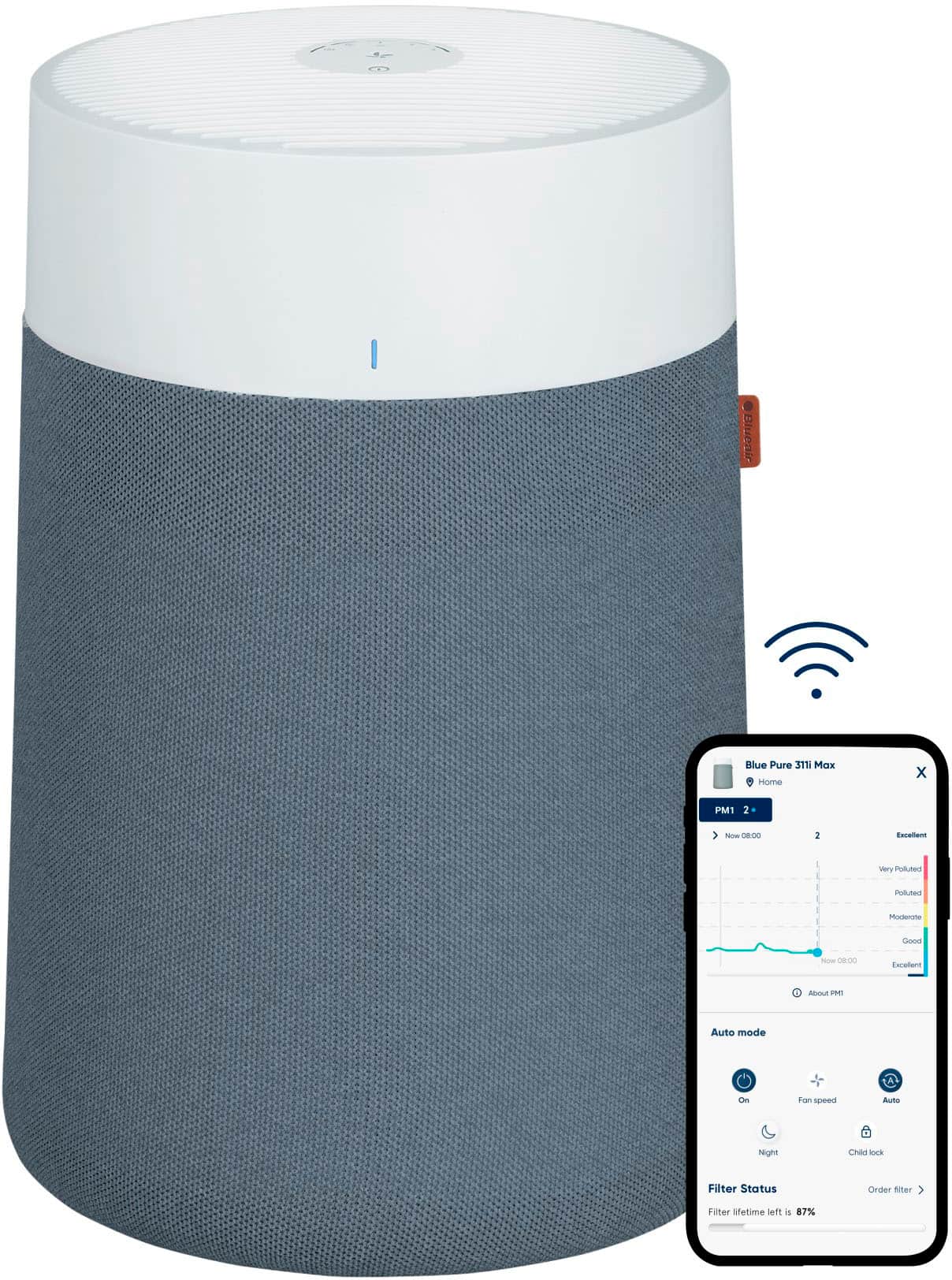
Updated 2026-07-26
Best air purifiers for wildfire smoke and allergies
Two room-air cleaners chosen around smoke CADR, filter cost, noise, and realistic room sizing.
Read the guide →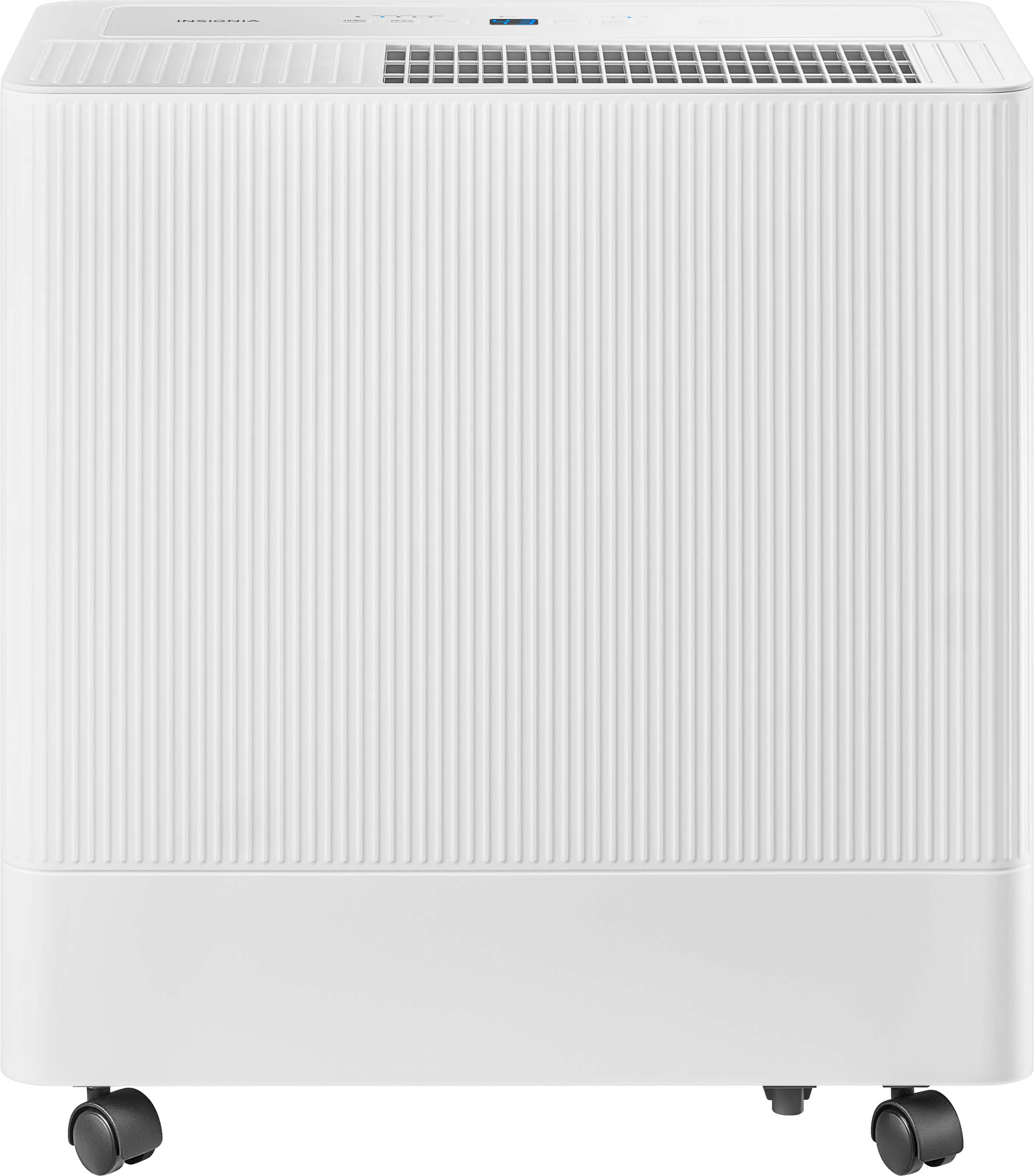
Updated 2026-07-26
Best dehumidifiers for damp basements
Two 50-pint dehumidifiers for larger damp spaces, with drainage and cold-basement constraints up front.
Read the guide →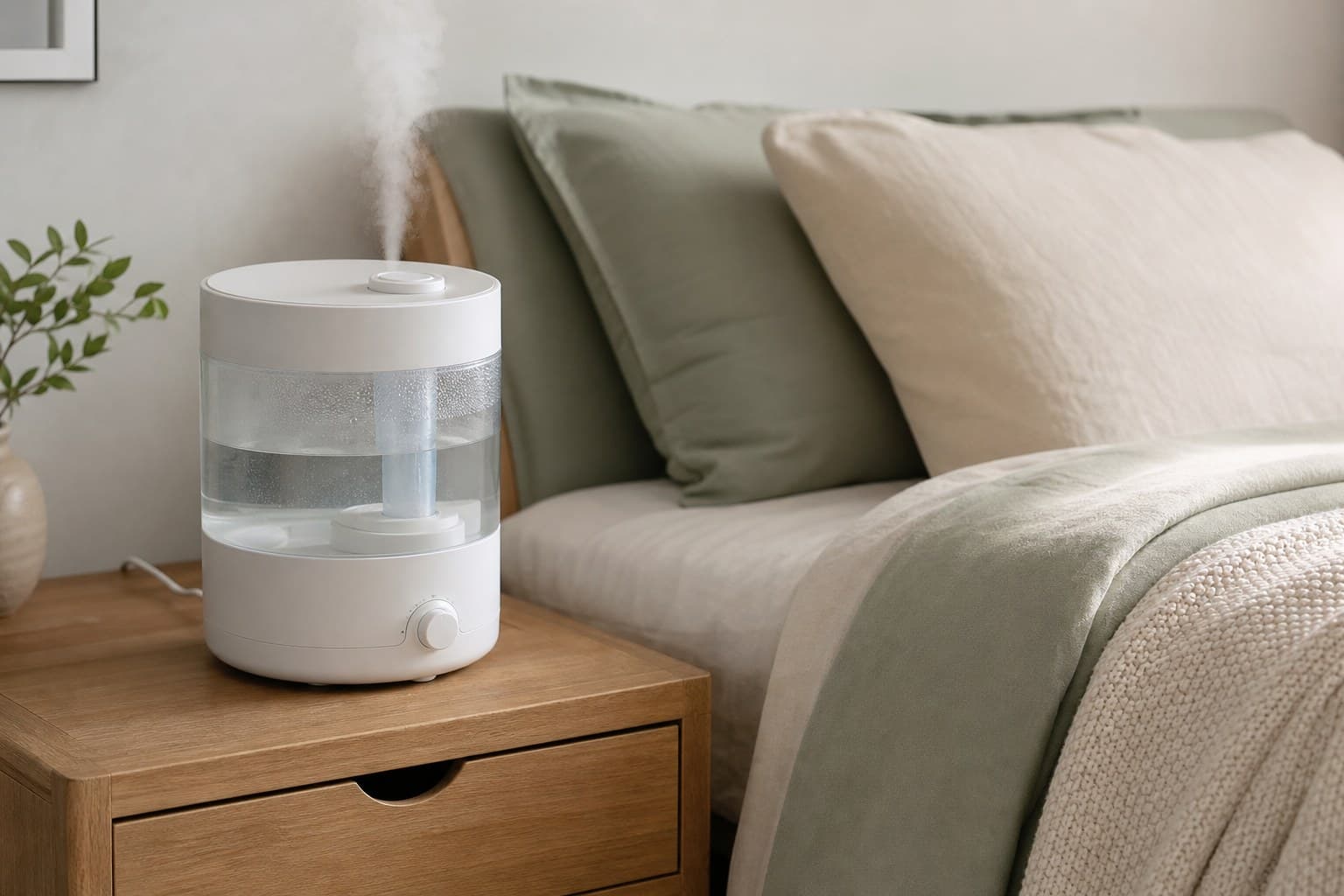
Updated 2026-07-26
Best humidifiers for bedrooms
A smart cool-mist model and a simple warm-mist alternative, with cleaning and humidity limits treated as essentials.
Read the guide →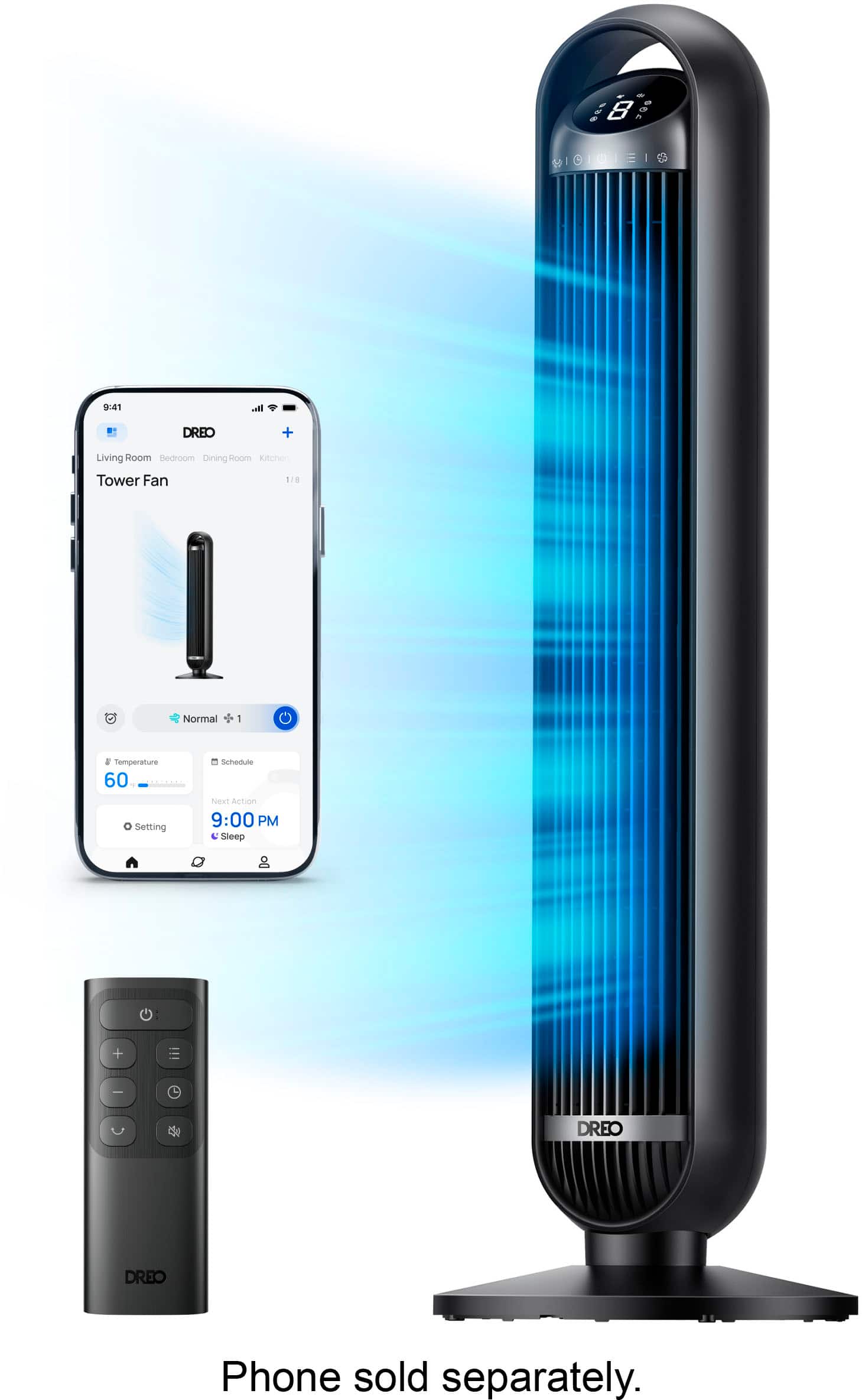
Updated 2026-07-26
Best quiet fans for sleeping
A controllable tower fan and a compact circulator for bedrooms where airflow and sound both matter.
Read the guide →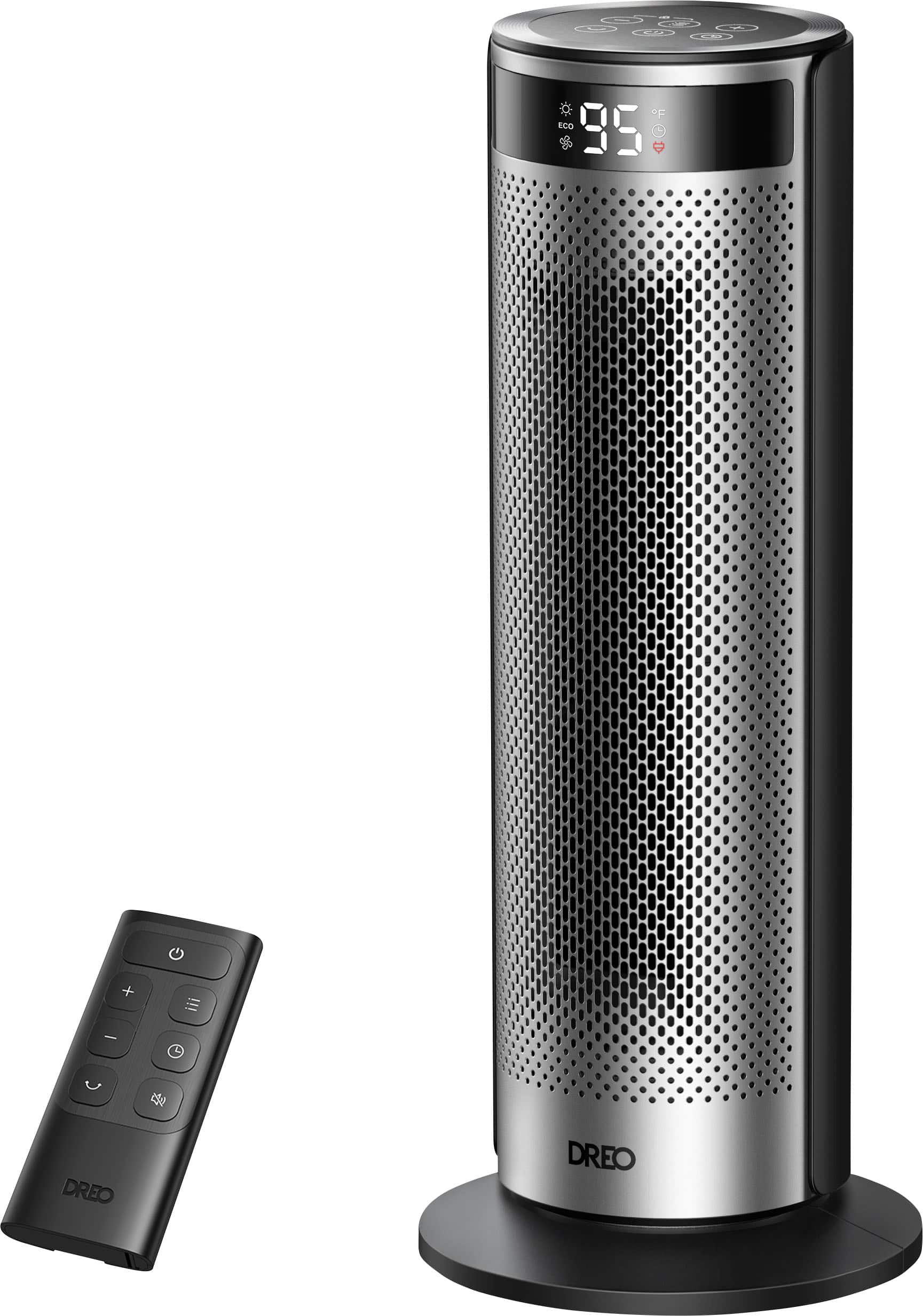
Updated 2026-07-26
Best space heaters for bedrooms and home offices
Two ceramic heaters for occupied-room comfort, with fire-safety constraints more prominent than convenience features.
Read the guide →Need help narrowing the field?
Start with the category chooser and focus the shortlist around the requirements that matter to you.
Help me choose